Vitamins for Macular Degeneration
Vitamins for macular degeneration often include antioxidants and minerals that were used in the Age Related Eye Disease Study. However there are also some other nutrients and antioxidants, like bilberry, lutein and zeaxanthin, that you may want to consider.
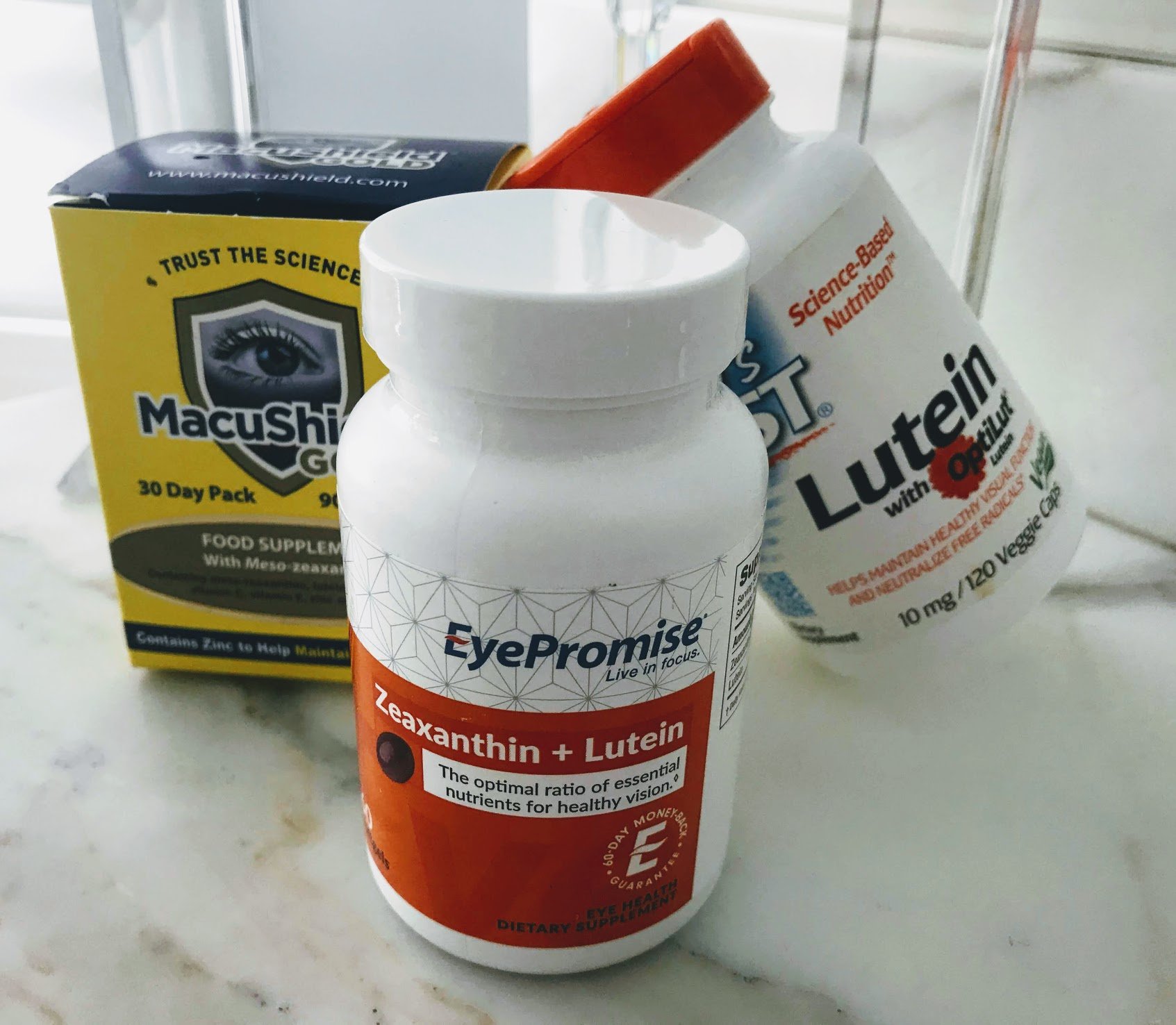
Vitamins for eyes can be a simple, single ingredient like lutein or a more comprehensive vitamin that includes several different minerals, vitamins and antioxidants. Macular degeneration nutritional supplements have been well researched showing that they can impact the prevention and progression of age related macular degeneration.
Some links in the following sections are eBay or Amazon affiliate links, which means that if you purchase a product through them I receive a small commission. There is no extra cost to you. Find more details on this page.
Are Macular Degeneration Vitamins Necessary?
There are many eye vitamin and choosing one can be very confusing. With my husband's strong family history of AMD, I knew that taking some kind of eye supplement would be a good idea.
Fully intending to buy some kind of eye vitamin, I would go to
the drug store, stand in front of all the different vitamin bottles and
get so overwhelmed and confused that I'd walk out of the store without
having bought anything.
So how do you know which supplements to take to prevent macular degeneration or to slow the progression of this retinal disease? Choosing a vitamin for eye health can be complicated just like choosing a good multi-vitamin. As baby boomers ourselves, my husband and I are trying to do the best we can to delay or prevent conditions that are associated with aging and degenerative diseases.
Supplements alone do not replace healthy lifestyle choices, regular exercise, a diet that promotes wellness, and supportive relationships.
There are lots of issues to consider before deciding to add supplements and then of course we need to be smart about which ones we choose. I don't believe this can be answered with a simple yes or no - because it depends. It depends on:
1) How many fruits and vegetables are you eating daily?
2) Is the produce picked fresh or picked green before key nutrients have developed?
3) Is the produce organic or genetically modified (GMO)? GMO foods generally have less nutrients than organic foods.
4) How are the foods prepared - raw, steamed, or cooked in a microwave?
5) Are you exposed to toxins - like a nail salon, radiology, in airplanes a lot, around cigarette smoke?
If you do not daily eat a variety of fresh, raw organic fruits and vegetables it may be wise to supplement. Supplementing with vitamins, antioxidants and macular degeneration nutritional supplements has become necessary because of the changes in farming practices such as soil depletion, early harvesting, genetically modified plants, and storage.
However, it is not a means to justify an unhealthy diet or to give one an excuse to eat junk food. Natural food sources provide the best nutrients for the body to use and to absorb.
Considering that research shows macular degeneration prevention and progression can be influenced by eye vitamins, it is worth checking out.
Lutein with Zeaxanthin and Meso Zeaxanthin
Lutein and zeaxanthin supplements may be something you want to consider if you are at risk for developing macular degeneration or if you have been diagnosed with age related macular degeneration (AMD).
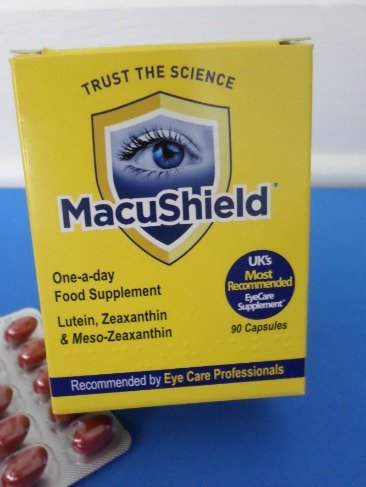
The Central Retinal Enrichment Supplementation Trials (CREST) concluded that the best way to increase macular pigment optical density is by using a supplement containing all 3 of the macular carotenoids, Lutein, Zeaxanthin and Meso-zeaxanthin like Macushield.
According to Professor John Nola, "The Macular Pigment Research Group continues to test the important hypothesis which suggests that macular pigment can enhance vision in the young normal population and can protect vision for the those afflicted with age related macular degeneration. "
Normally you will find zeaxanthin supplements along with lutein. According to the Journal of Nutrition, 2003 supplementing with both of these macular degeneration nutritional supplements, raise macular pigment density and serum concentrations in humans. These supplements come from a marigold flower extraction.
MacuShield - Research Interview by Professor John Nolan
Lutein for Eyes
This eye healthy antioxidant is found in hundreds of nutritional supplements, from multivitamins to eye care formulas to products that contain it as a sole ingredient.
The conclusions from the Dose-Ranging Study of Lutein Supplementation in Persons Aged 60 Years or Older were:
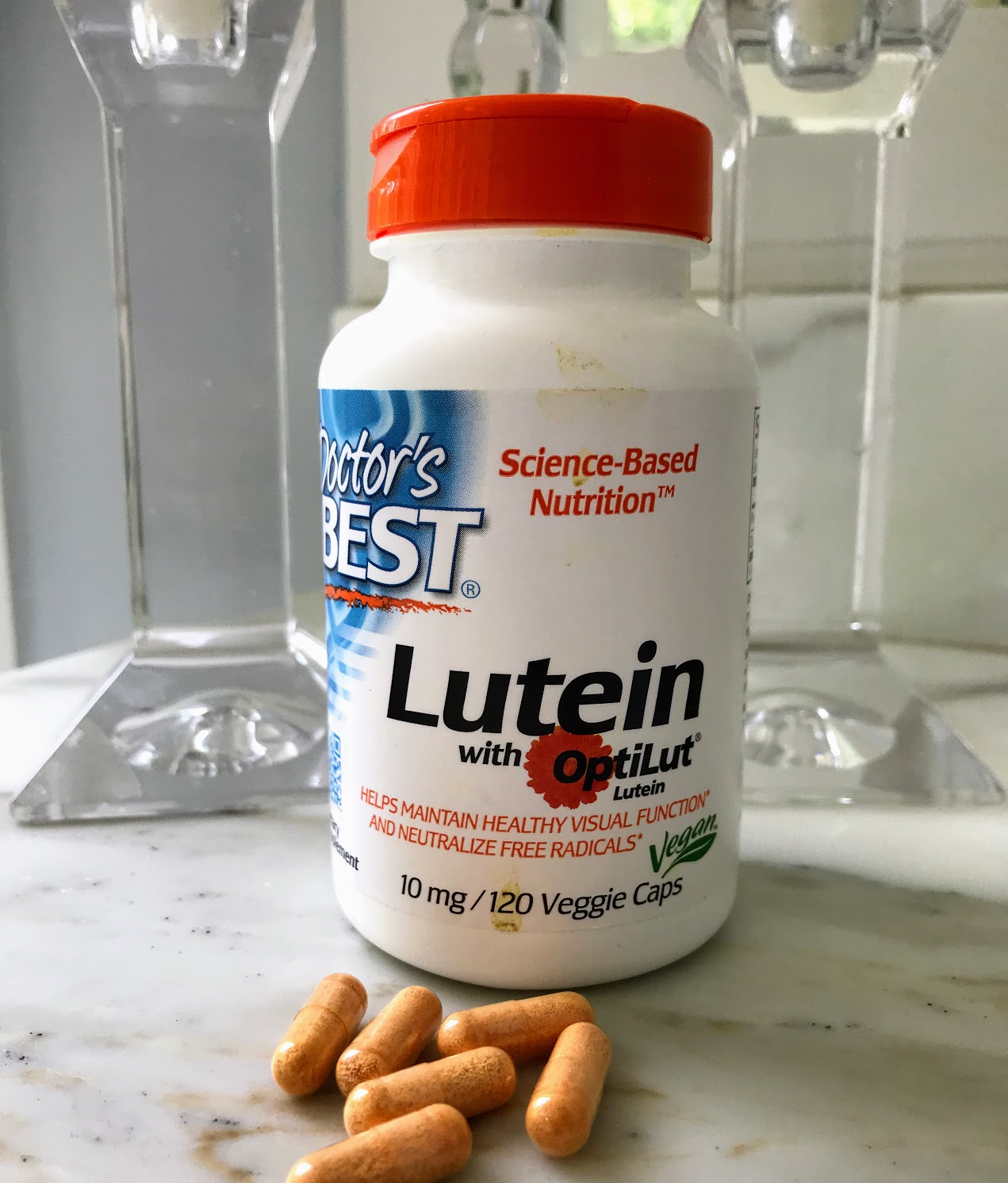
"Increasing doses of lutein supplements significantly increased the serum levels of lutein and zeaxanthin, and doses up to 10 mg were safely administered.
A long-term large clinical trial is necessary to investigate the safety and efficacy of lutein in reducing the risk of the development of advanced AMD."
(Investigative Ophthalmology and Visual Science. 2006;47:5227-5233.) © 2006 by The Association for Research in Vision and Ophthalmology, Inc. DOI: 10.1167/iovs.05-1513
The body does not manufacture lutein. You must eat foods high in this carotenoid every day and/or supplement.
Be sure to read the label to see how much is included in each dose. It is usually listed in milligrams - mg. Find out what lutein dosage is recommended based on recent studies:
AREDS 2 Vitamins
In May 2013 the National Eye Institute completed the Age-Related Eye Disease Study 2.


Over six years, approximately 4,200 volunteers participated in this macular degeneration study to see if adding omega 3 and lutein and zeaxanthin would be an improvement to the original AREDS formula.
To help explain the results and what they mean for you and me, Dr. Edward Paul, a macular degeneration specialist with a Ph.D. in nutrition provides us with some helpful insight:
To learn more click here: AREDS 2 Vitamins
Saffron Benefits
Perhaps you have never heard of the spice called saffron. Did you know that just like their are berries that are rich in antioxidants, so are there spices that are a rich source of radical fighting antioxidant potential?
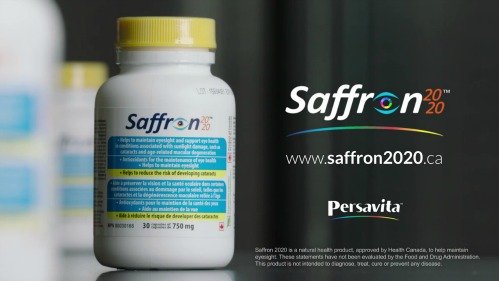
Saffron is one of those spices. In fact currently there are two clinical trials in Rome, Italy. One of them is to "determine the effect of a dietary supplementation with a Crocus Sativus extract, Saffron, on macular cone-mediated function in patients with early age-related macular degeneration."
Dr. Mahmood Piraee, the founder of Groupe Persavita Inc., is a Quebec-registered pharmacist as well as a molecular and cellular biologist (Dalhousie University, Halifax Canada). He has been involved with research management and business development in leading international biotech companies in natural products drug discovery and development (Ecopia Biosciences (now Thallion Pharma), Montreal, Canada; and Biotica Technology Ltd., Cambridge, UK) prior to co-founding Persavita Ltd.
He has shared his knowledge with us about an all natural macular degeneration supplement that contains saffron, a spice rich in antioxidants:
Tozal - Prescription Eye Vitamins
Tozal is the name of macular degeneration vitamins that were developed by by Dr. Edward Paul.
Dr. Paul is a low vision specialist with a Ph.D. in nutrition whose specialty is age-related macular degeneration (AMD).
Find out why these eye supplements are available only as a prescription and why that may actually be good news for you: Tozal Macular Degeneration Vitamins
MacuHealth
Unlike other macular degeneration vitamins, MacuHealth contains lutein, zeaxanthin and mes-zeaxanthin along with other AREDS ingredients.
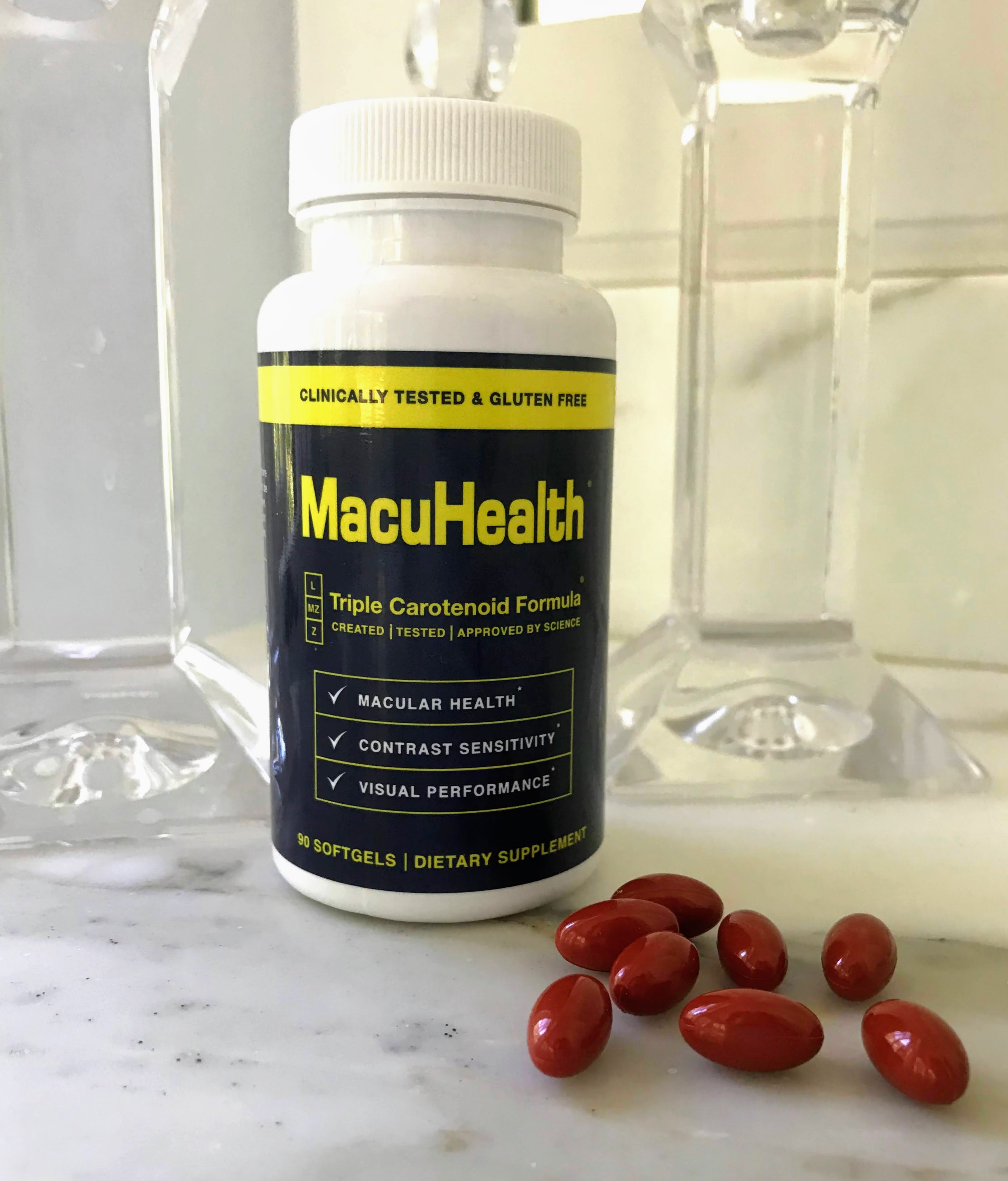
Find out what David Nelson, OD and Kerry Salsberg, OD have to
say about who should be taking these eye health vitamins and if they
are just for those diagnosed with macular degneration or for those
trying to prevent this retinal condition.
Ocuvite Preservision
You may hear your eye doctor talk about AREDS vitamins - the letters stand for Age Related Eye Disease Study. This comprehensive study looked at the impact of a combination of vitamins on the prevention and progression of age related macular degeneration.


When it comes to vitamins for macular degeneration the most important study is the Age Related Eye Disease Study (known as AREDS).
According to the U.S. Federal government's National Eye Institute the Age-Related Eye Disease Study found that:
"taking high levels of antioxidants and zinc can reduce the risk of developing advanced age-related macular degeneration (AMD) by about 25 percent."
"the AREDS formulation, while not a cure for AMD, may play a key role in helping people at high risk for developing advanced AMD keep their remaining vision."
Ocuvite Preservision was the vitamin and mineral supplement used in
the National Eye Institute (NEI) age-related eye study (AREDS). AREDS vitamins may have an impact on the progression of macular degeneration to its advanced stages.
Ocuvite Lutein includes 6 mg of Lutein in each Ocuvite vitamin. It also provides 100% of the US Daily Values for the antioxidant vitamins C, E, as well as zinc and copper.
However, The Macular Degeneration Association, has issued an urgent warning to patients with “intermediate dry age-related macular degeneration.” Patients are being advised to talk with their doctors about this commonly prescribed eye vitamin containing zinc, an ingredient that might actually be harmful in some cases. A simple, personalized genetic test is being recommended that could potentially indicate the difference between slowing or accelerating the progression of vision loss.
The recommended dose is two soft gels per day. To learn more click here
: Ocuvite Preservision
Go from Vitamins for Macular Degeneration to WebRN Macular Degeneration Home
√ Prevention of Macular Degeneration?
√ Tips for Daily Living?
√ Food Suggestions for a Macular Degeneration Diet?
√ Ideas on Visual Aids to Maximize your Sight?
If you said "yes" to any of the above, sign up for the monthly Macular Degeneration News.


