Antioxidant Foods
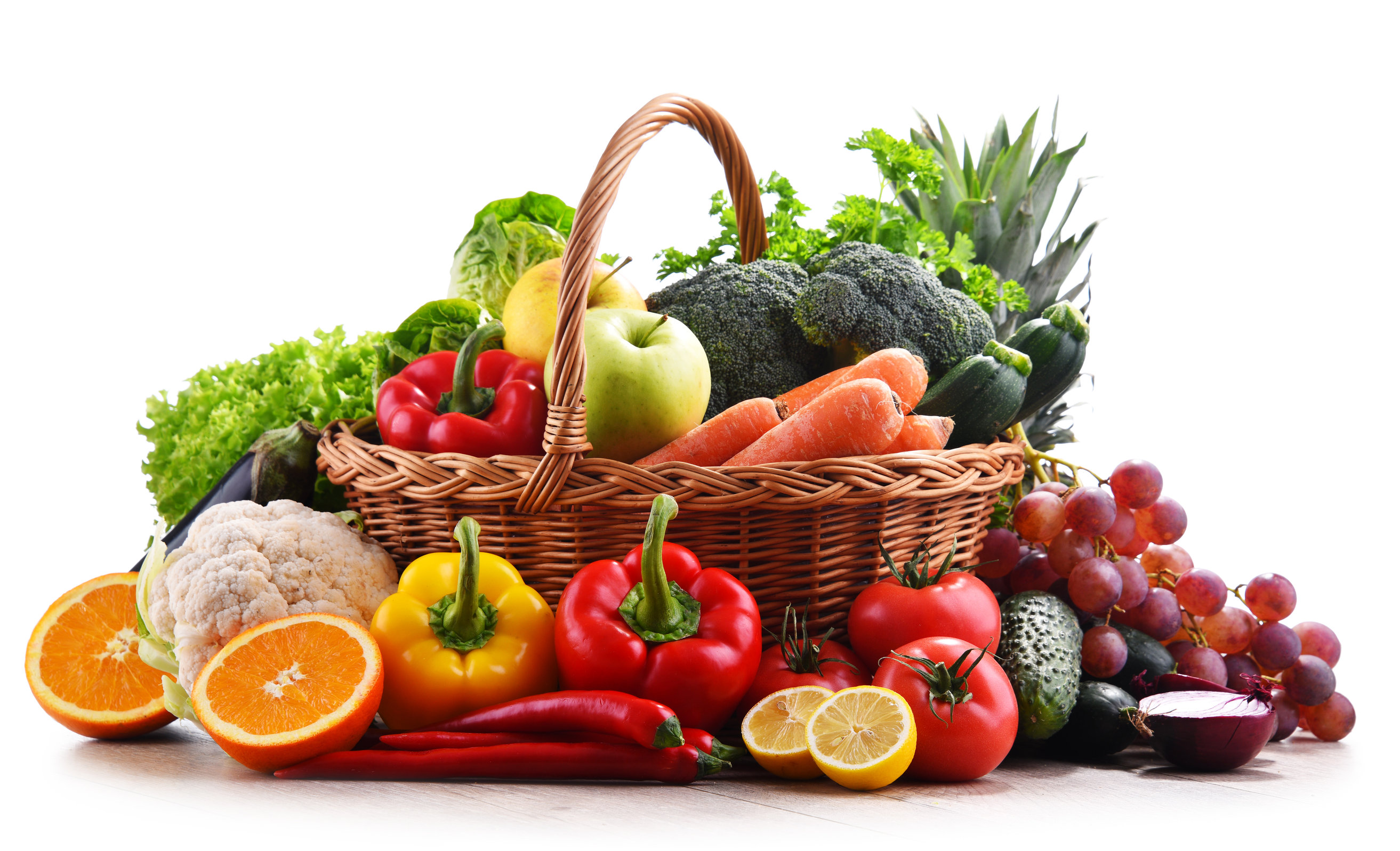
Antioxidant foods help protect our bodies including our maculas from the damaging effects of free radicals. They play a key role in the prevention and progression of macular degeneration. It is important to include foods high in antioxidants with every meal.
Some links in the following sections are eBay or Amazon affiliate links, which means that if you purchase a product through them I receive a small commission. There is no extra cost to you. Find more details on this page.
What Is an Antioxidant?
The definition of an antioxidant from the National Cancer Institute states:
"A substance that protects cells from the damage caused by free radicals (unstable molecules made by the process of oxidation during normal metabolism). Free radicals may play a part in
cancer,
heart disease,
stroke, and
other diseases of aging. "
They are molecules that help combat the harmful effects of free radicals by binding together with oxidant compounds in the body, and neutralizing their destructive properties. Antioxidants also help to repair cell damage caused by oxidants.
The body naturally produces antioxidant substances itself. These are called antioxidant enzymes. They include:
Catalase,
Superoxide Dismutase, and
Glutathione.
These antioxidant compounds break down oxidants in the body into harmless substances like water or oxygen particles, which then leave the body without harming it.
What is Oxidation?
What is oxidation? It is a normal body process that results in free radical formation ... a process we are all familiar with and one sees the effects of oxidation when one sees the rusting of metal, a slice of apple turning brown, or the aging process.
The best definition of "what is oxidation" that I found is from WiseGeek.com.
"Oxidation is defined as the interaction between oxygen molecules and all the different substances they may contact, from metal to living tissue. Technically, however, with the discovery of electrons, oxidation came to be more precisely defined as the loss of at least one electron when two or more substances interact."
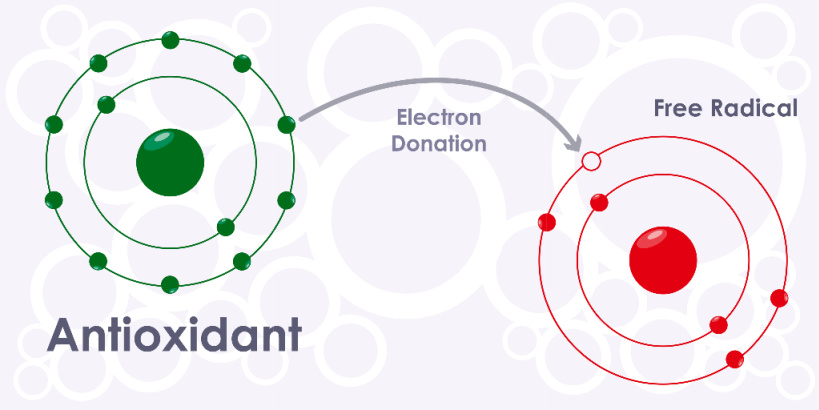
When there is a loss of an electron a free radical is formed. Free radicals are the result of normal chemical reactions in the body called oxidation which then leaves the body with thousands of unbalanced electrons.
These unstable electrons can then cause damage to our cells and especially the macula where there is a lot of oxidation.
Keeping our free radicals in balance is extremely critical in the prevention of macular degeneration, in fighting disease in general, and in the aging battle.
Processes required by the body such as ...
breathing
eating
metabolism
exercise
cause oxidation and free radicals.
Other environmental factors like exposure to the sun,
pollution and
toxins in our water and food
also cause free radicals and damage to our cells.
This oxidation produces atoms with unpaired electrons which then try to steal from a healthy atom and in turn produces another free radical that causes damage to cell membranes and our DNA leading to many diseases and aging. Many people compare oxidation in the body to a rust ing piece of metal. The end result is a damaged structure and decay.
So what can we do to fight off the damages of oxidation and free radicals?
1) Reduce your exposure to toxins in your food, water and air you breathe
2) Increase your intake of antioxidants through eating antioxidant rich food or with antioxidant health supplements.
With a little planning this is an easy adjustment to make. Have fresh or frozen berries on hand for breakfast and include fresh salads with organic spinach, broccoli and red peppers for lunch and supper.
Antioxidant Health Benefits
According to ophthalmologist, Steven G. Pratt, the author of SuperHealth: 6 Simple Steps, 6 Easy Weeks, 1 Longer, Healthier Life,
"...too many free radicals and not enough antioxidants to neutralize them....can lead to inflammation and the onset of multiple diseases such as cardiovascular disease, cancer and macular degeneration."
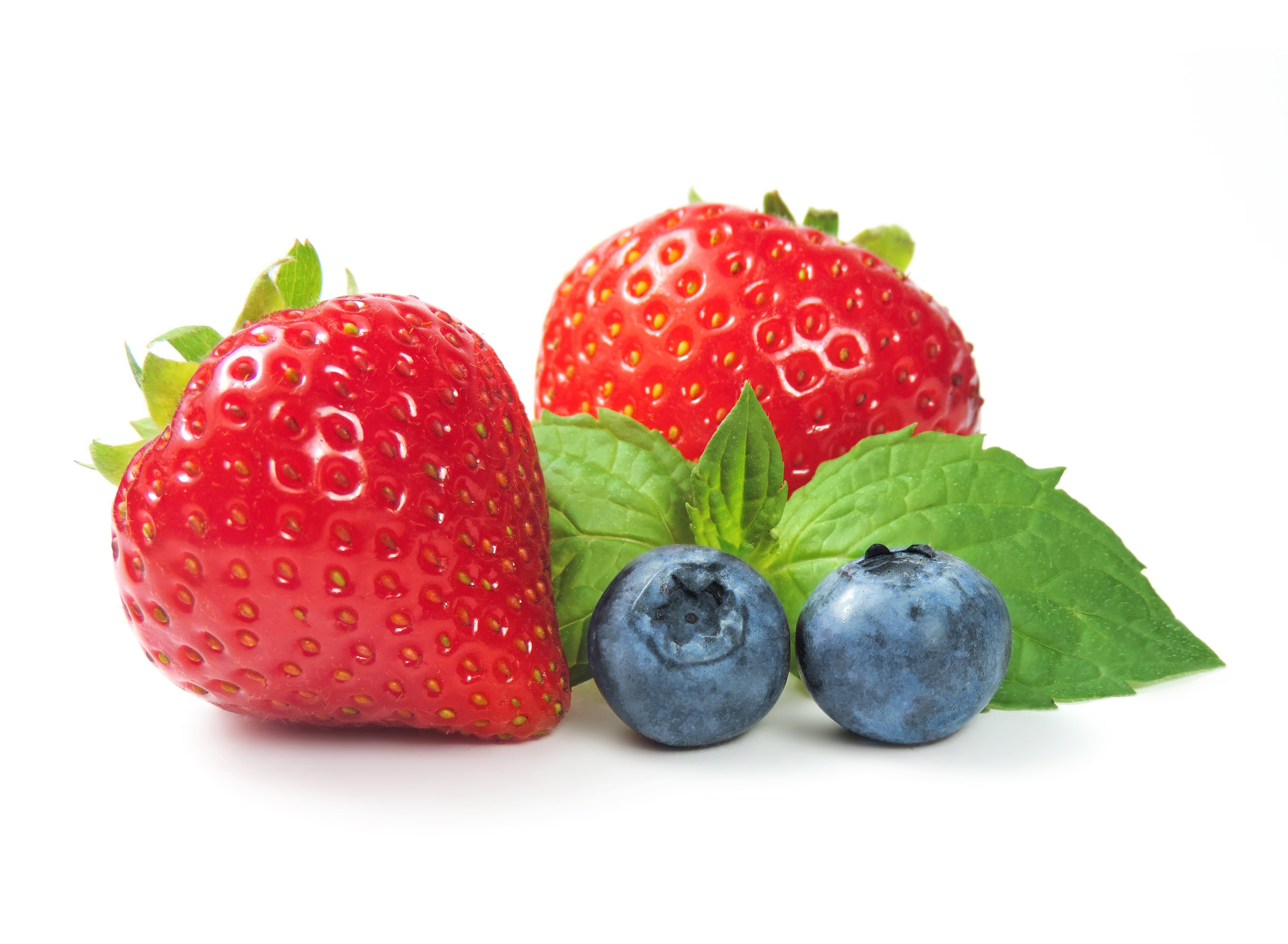
How do antioxidants help? Antioxidants work by binding with the free radicals and are thus able to reduce their destruction to cell walls and arteries.
They are known for
slowing down the aging process,
building up our immune system and
protecting us from degenerative diseases like macular degeneration.
Antioxidants supply the missing electron that is needed to balance the free radical so that the cell is neutralized and unable to cause damage and injury to healthy cells and tissue. Antioxidants are a powerful, silent weapon working to protect our cells and our bodies from inflammation, degenerative diseases, cancer and macular degeneration.
Two human studies show that eating high-ORAC fruits and vegetables or by simply doubling the intake of fruits and vegetables—both naturally high in antioxidants—raises the antioxidant power of the blood between 13 and 25 percent.
The studies are published in the Journal of Nutrition (vol. 128, pp. 2383-2390) and the American Journal of Clinical Nutrition (vol. 68, pp. 1081-1087).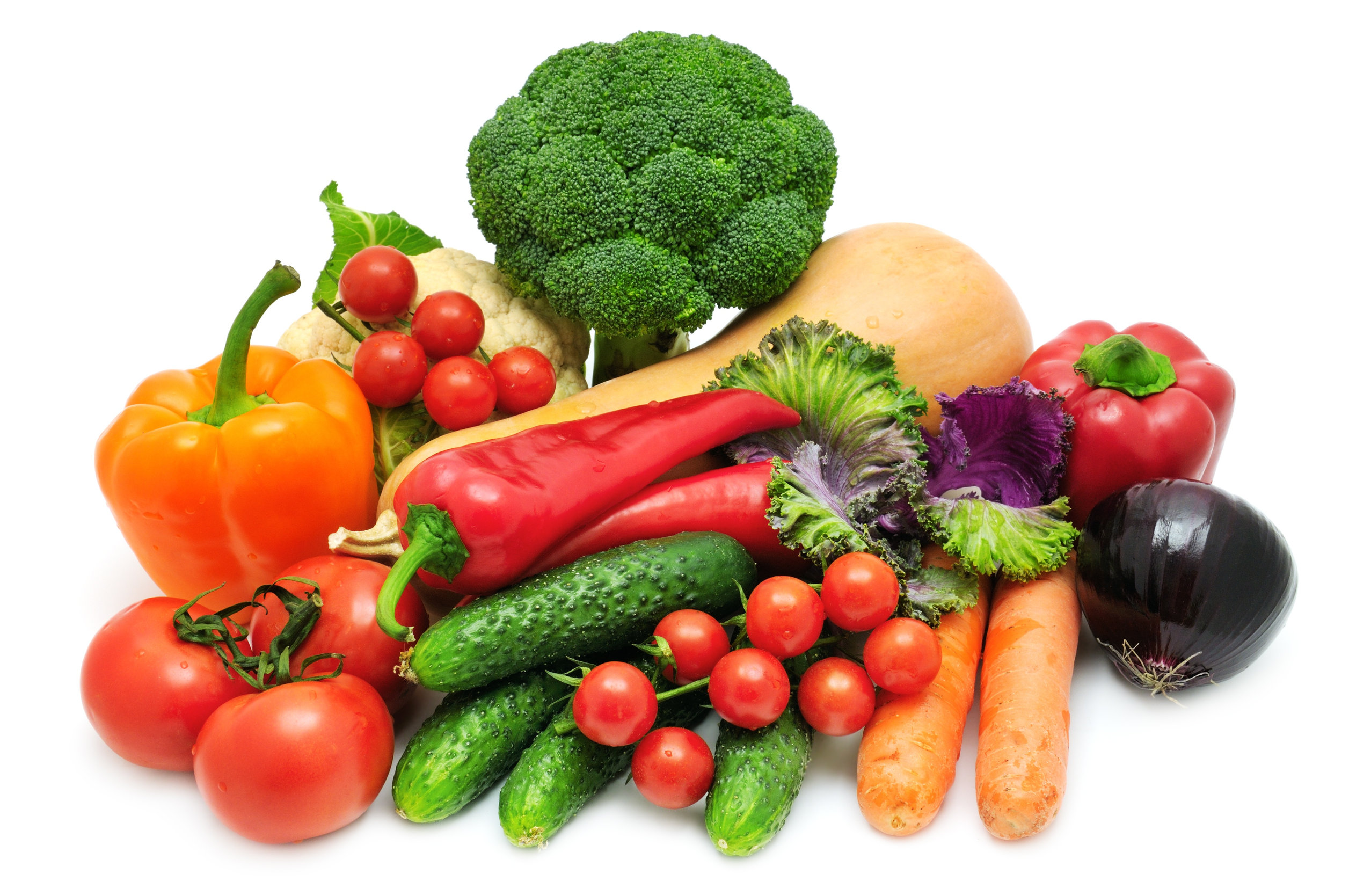
Research continues to expand in looking at the role of antioxidants in the prevention and treatment of age related macular degeneration.
The 2005 study in the Netherlands sought to evaluate whether antioxidants that are present in normal foods could play a role in preventing age-related macular degeneration (AMD).
At the beginning of the study, 5,836 people living in Rotterdam,
the Netherlands, who were at risk of AMD were identified. Of these,
4,170 participated in the eight-year follow-up. Participants were asked to fill out food questionnaires and were given periodic eye exams.
People who consumed higher levels of Vitamin E and Zinc had about a 10 percent lower risk of developing age related macular degeneration.
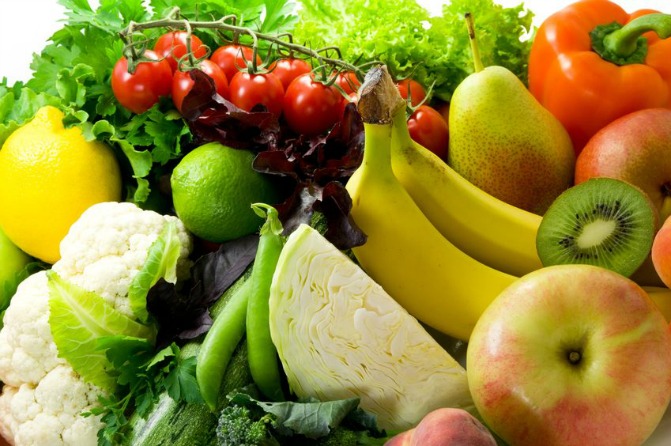
Those who had an above-average intake of Beta Carotene, Vitamin C, Vitamin E and Zinc had a 35 percent reduced risk of AMD. Adding nutritional supplements to people who already had a high intake of these nutrients did not change the results. People who consumed below-average amounts of these macular degeneration antioxidants had a 20 percent increased risk of developing AMD, the study said.
"It's great news," said Dr. Robert Cykiert, a professor of ophthalmology at New York University School of Medicine. "It's an excellent way to prevent a condition that's difficult to treat."
Antioxidant Rich Foods
One way to remember what foods are highest in antioxidants are to select foods that have the deepest color or pigment.


Neal Adams, M.D. and ophthalmologist writes in his book,Healthy Vision: Prevent and Reverse Eye Disease through Better Nutrition
, "You can slow or even dramatically decrease the chain reaction of oxidants inside your body, simply by eating more antioxidants."
In the past one could check the ORAC score for foods highest in antioxidant activity, however, "In 2012 USDA's Nutrient Data Laboratory (NDL) removed the USDA ORAC Database for Selected Foods from the NDL website ..."ORAC values are routinely misused by food and dietary supplement manufacturing companies to promote their products and by consumers to guide their food and dietary supplement choices."
What is important is that you include a variety of these foods in your daily diet. Dr. Adams shares, "the single best way to 'eat your antioxidants' is to eat the natural food wherein the antioxidants exist."
Antioxidant Fruits
Fruits high in antioxidants include:
Goji Berry
Black Chokecherry
Wild Blueberry
Blueberry
Cranberry
Prunes
Raspberry
Strawberry
Red Delicious Apple
Granny Smith Apple
Sweet Cherry
Black Plum
Plum
Gala Apple
Raisins
Oranges
Red Grapes
Watermelon
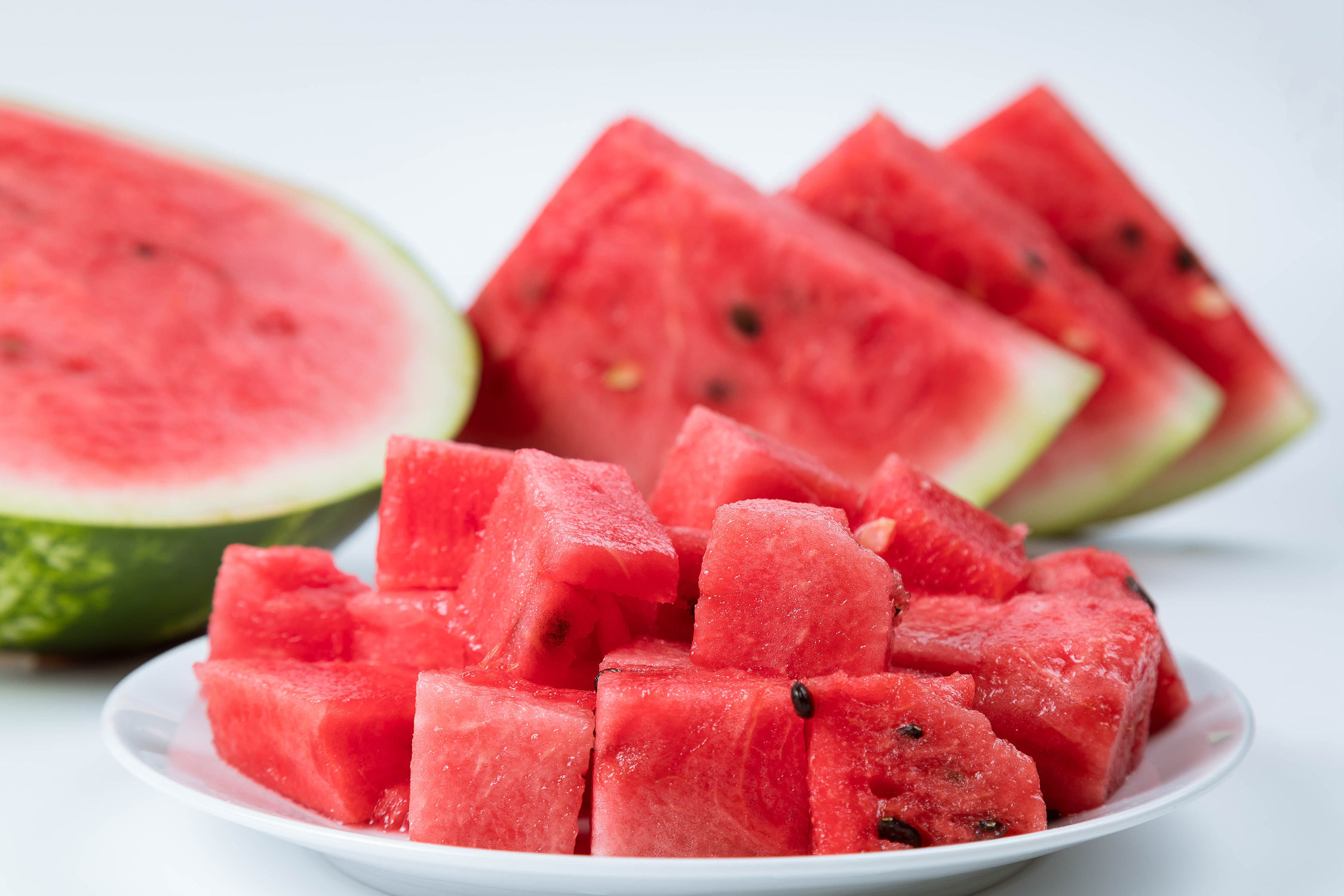
Watermelon—A Modest Fruit Loaded with Pharmaceutically Valuable Phytochemicals
"...pigments such as lycopene and β-carotene present in watermelon also displayed antioxidant properties. Reports suggested that the consumption of lycopene and β-carotene protects the architecture of plasma lipoprotein from oxidative stress, suppresses the macular degeneration, prevents cataracts, and decreases the bioavailability of nitrogen oxide."
Watermelon-A Modest Fruit Loaded with Pharaceutically Valuable Phytochemicals
PubMed 2020 Nov; 25(22): 5258
Vegetables High in Antioxidants
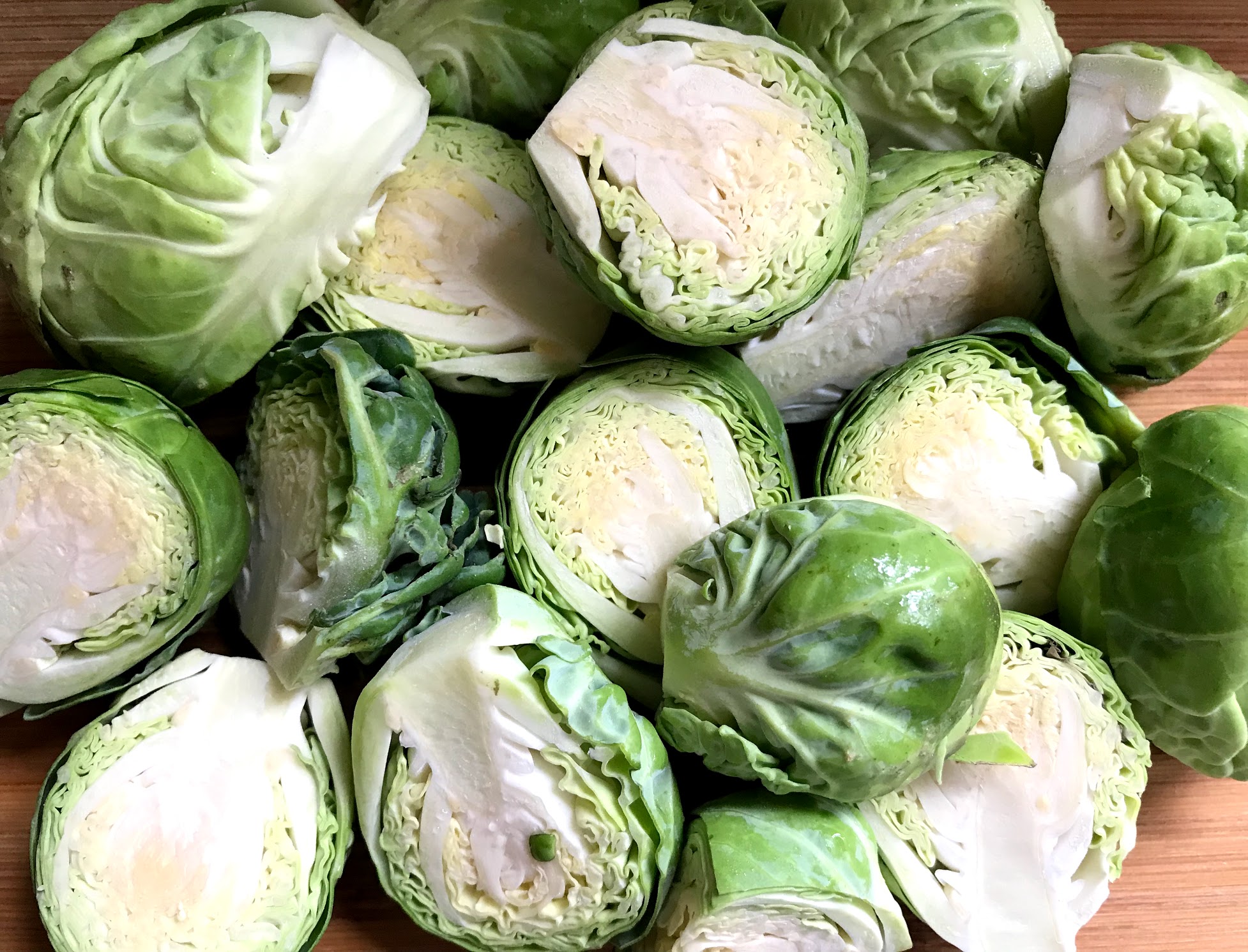
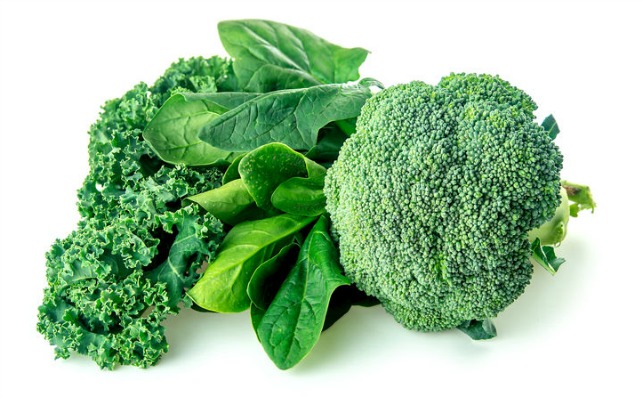
Vegetables high in antioxidants include:
Brussel Sprouts
Alphalfa Sprouts
Broccoli Florets
Red Bell Peppers
Artichoke Hearts
Kale
Antioxidant Rich Berries
We get to enjoy an assortment of antioxidant rich berries by simply going to our backyard.
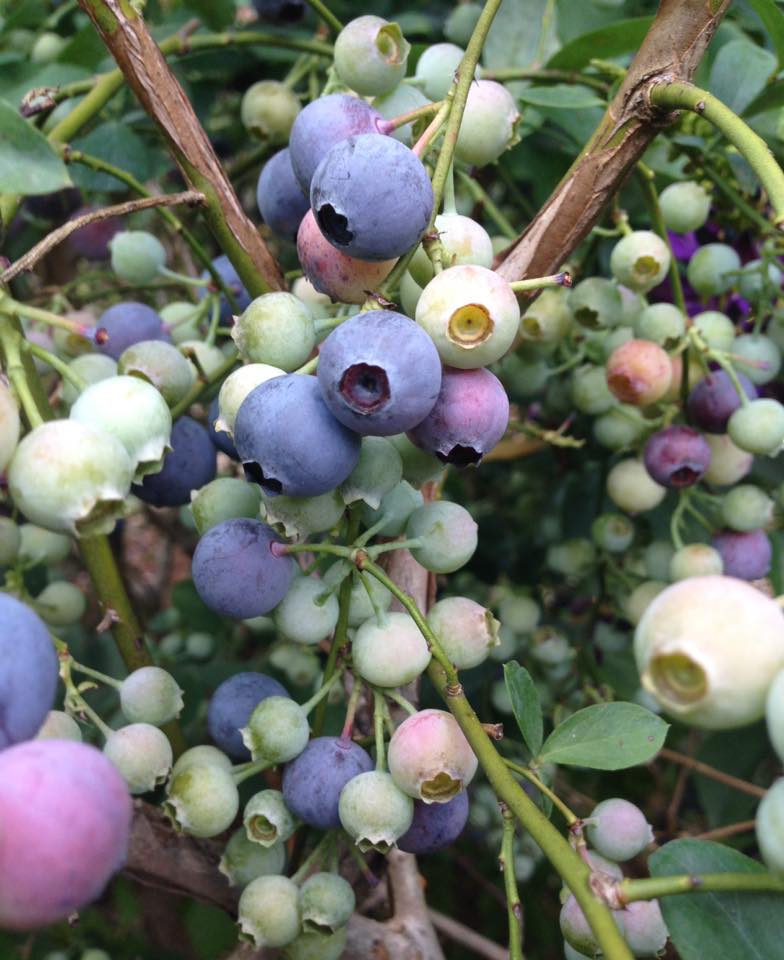
Blueberry plants are part of our backyard landscape.
Incorporate antioxidant foods into every meal. Just by eating, as our bodies break down and metabolize food, they generate a lot of free radicals.
“And without any antioxidants present, like those from colorful fruits and vegetables, for instance, there’s nothing to counteract this detrimental effect,” says Dr. Ronald Prior,a chemist at USDA’s Arkansas Children’s Nutrition Center in Little Rock.
“We’re learning that antioxidants should be consumed with every meal,” says Prior. “And if you routinely skip antioxidants in your diet, over time, the excess number of free radicals being produced may begin damaging cellular components, ultimately leading to atherosclerosis, cancer, and other diseases.”WebMD has produced a list and an article on 20 Common Foods with the Most Antioxidants.
Go from Antioxidant Foods to WebRN Macular Degneration Home
√ Prevention of Macular Degeneration?
√ Tips for Daily Living?
√ Food Suggestions for a Macular Degeneration Diet?
√ Ideas on Visual Aids to Maximize your Sight?
If you said "yes" to any of the above, sign up for the monthly Macular Degeneration News.


