Macular Degeneration and Driving Ability
Macular degeneration and driving ability - how is one's driving affected by this chronic retinal disease?
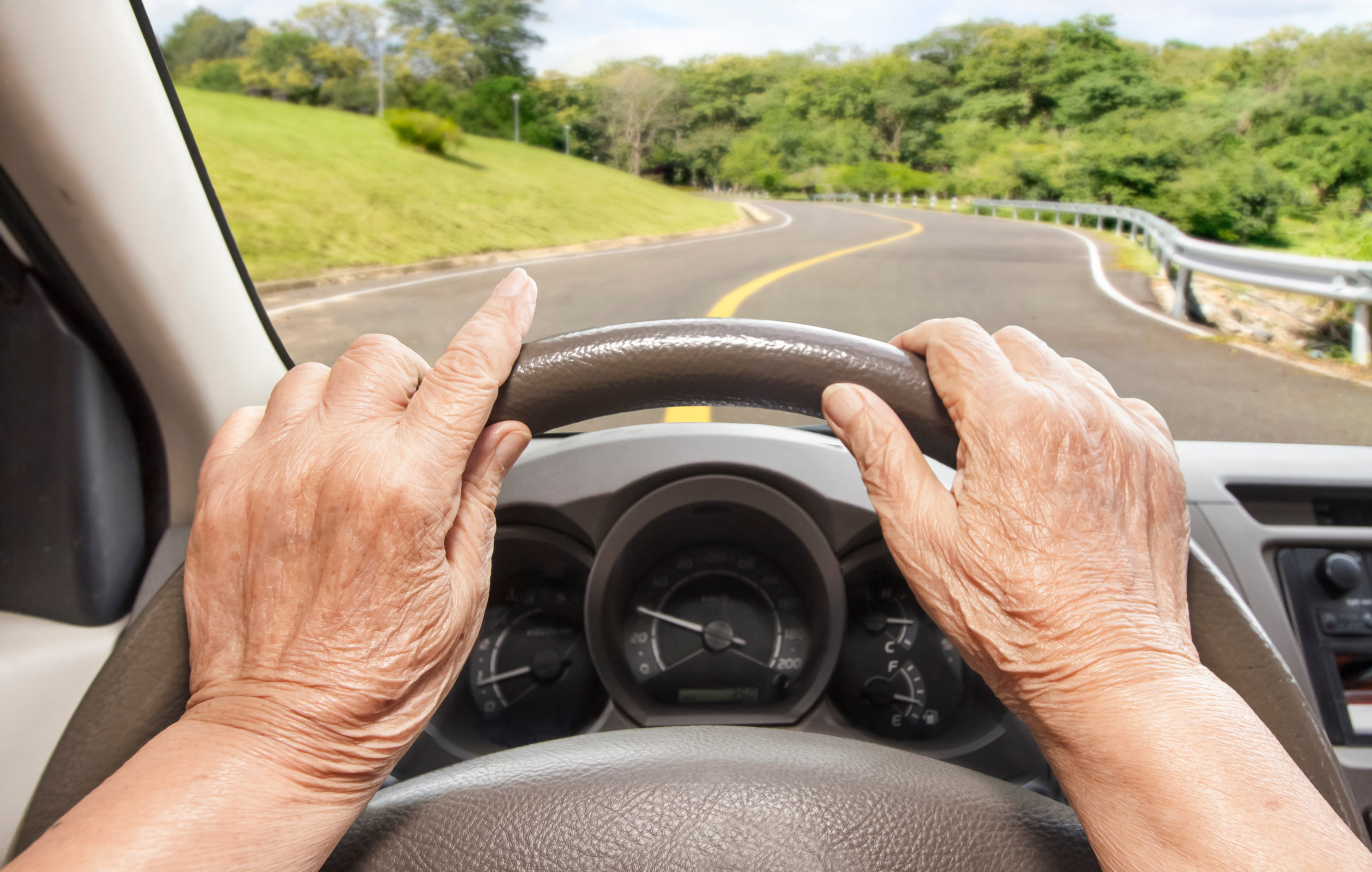
For most people in the United States, the loss of a driver's license and the ability to go somewhere at any time, is one of the most difficult adjustments to a visual disability.
My father-in-law who was first diagnosed with dry macular degeneration initially had a restricted license and could only drive no more than 10 miles from home and only during daylight hours. Eventually his dry age related macular degeneration turned to wet causing more straight ahead vision loss and he could no longer drive. He had to make adjustments to this new reality.
How does Macular Degeneration Affect my Driving?
The affects of age related macular degeneration (AMD) on driving is different for each person and for the driving conditions. How does macular degeneration affect one's driving ability? There are four ways your safety can be compromised ....
1. Blurred Vision
Blurred vision is a common symptom of macular degeneration making it difficult to read not only street signs and traffic signals, but one's dashboard as well.

Pedestrians and bikers may be difficult to see compromising the safety of others.
2. Glare Impaires Vision
For instance on a very sunny day, glare can impair your ability to see. People with AMD often have problems with glare.

This is especially true if someone with AMD also has a cataract. Regular sunglasses sometimes help with glare but they also decrease contrast which can be a problem. Selecting the best sunglasses is very important for optimized vision while outside.
3. Loss of Contrast Vision
The other problem with driving with low vision, is the ability to see objects when there isn't much contrast...
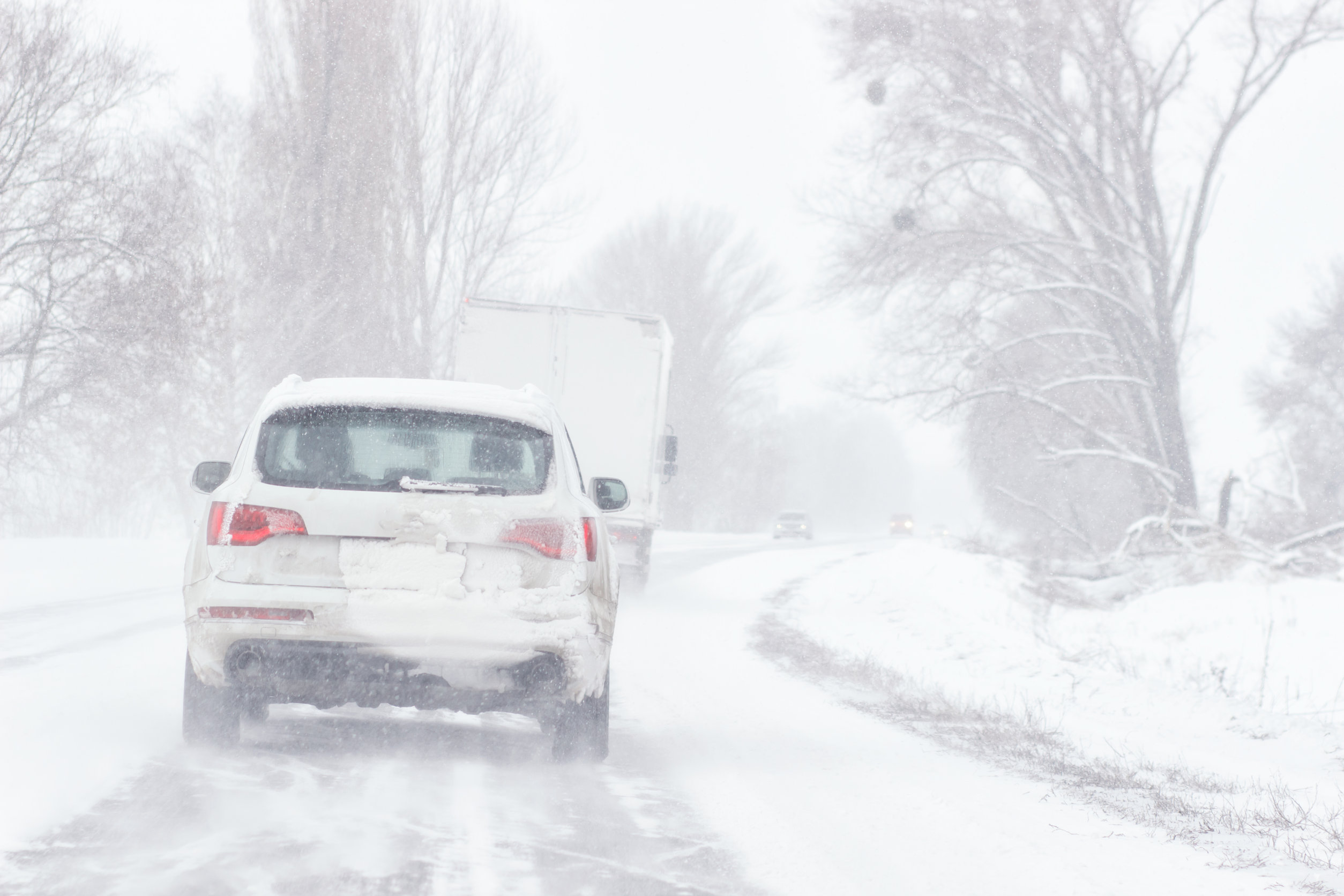
...such as seeing a white car on a snowy or cloudy day
... or seeing a black car at night.
When you recognize that this is a problem for you, you can limit your driving yourself to sunny, bright days and daytime driving.
4. Loss of Depth Perception
Distance vision along with depth perception is also altered for those with macular degeneration.

It can be difficult to tell how far away or how close a car is to your vehicle.
5. Central Blind Spot
Some people with a more advanced stage of macular degeneration may have what is called a central scotoma or blind spot right in the center of their vision.
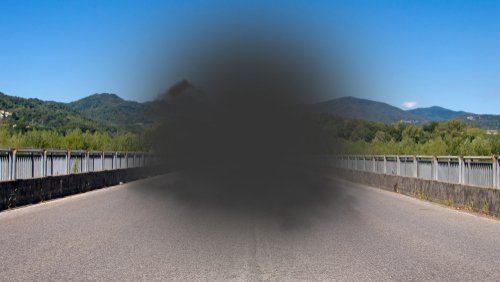
The spot may be just hazy and blurry or it can be black or gray like the one pictured. It is possible to have more than one scotoma which would mean several blind spots in one's vision.
Driving at Night with Low Vision
Driving at night with low vision is very challenging compared to driving during the day. Difficulty seeing at night can be an early sign of macular degeneration. Night vision often declines as one's macular degeneration progresses

This is due to lack of contrast sensitivity - which means that if there is a dark object with a light background such as bold, black letters on a white page the words stand out on the stark contrast - but if the contrast is not there such as light letters on a darker background - it is now much more difficult to distinguish the letters or words because of the lack of contrast.
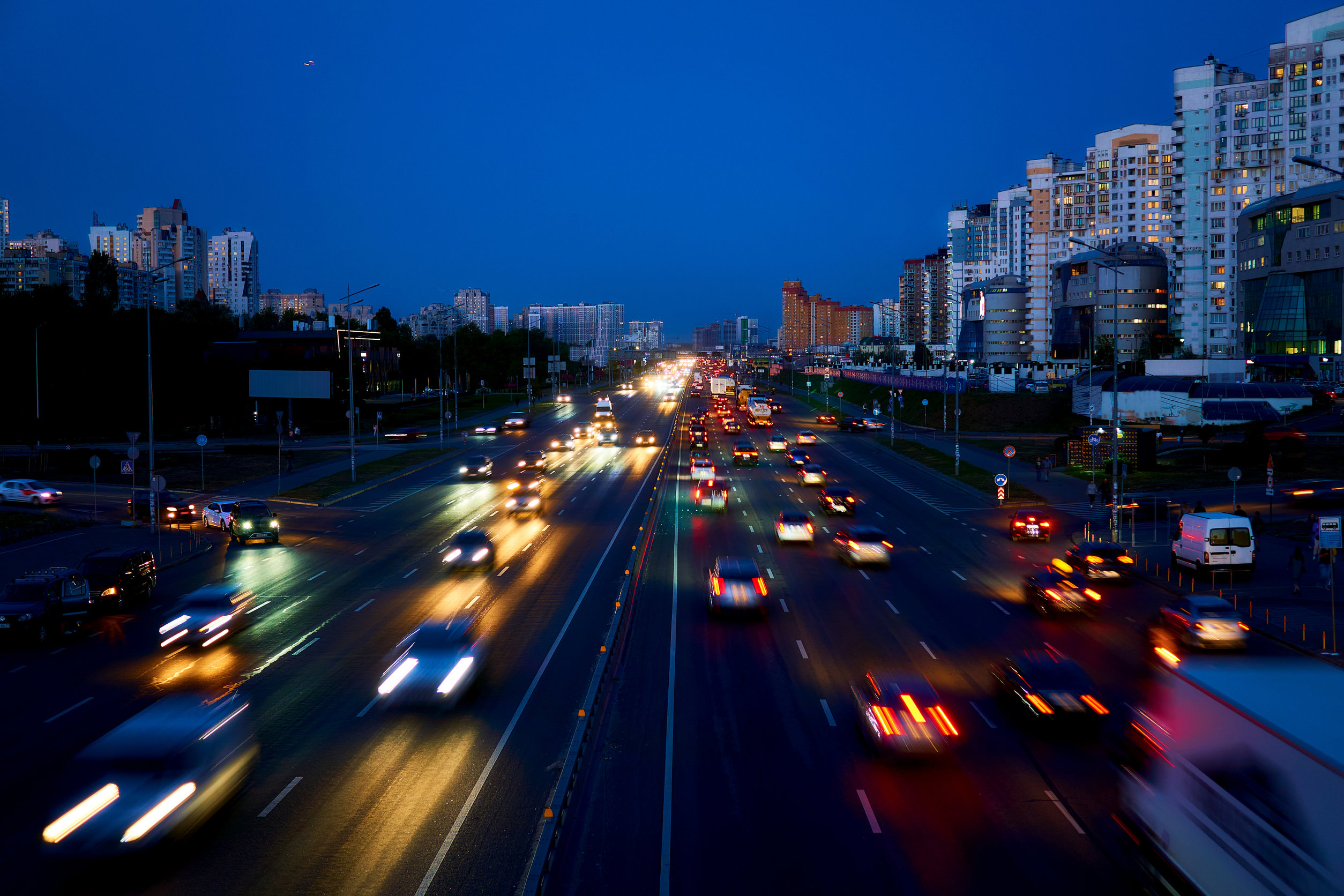
When you drive at night that contrast element is greatly reduced and it becomes much harder to see any dark colored car or person wearing dark clothes. Driving during a bright, sunny day is a safer option for those still driving.
Driving Test
Your eye care expert may refer you to a specialist who can go on a drive with you to see if macular degeneration has affected your driving.
The specialist also may offer training for driving with low vision. Improving your skills could help keep you and others around you safe.
To find a specialist near you, call the Association of Driver Rehabilitation Specialists at 1-800-290-2344 or go to their website at www.aded.net. You also can call hospitals and rehabilitation facilities to find an occupational therapist who can discuss with you your options for low vision driver's education.
When to Stop Driving
When to stop driving if you have vision problems, is a question you must ask yourself before you or someone else is injured.
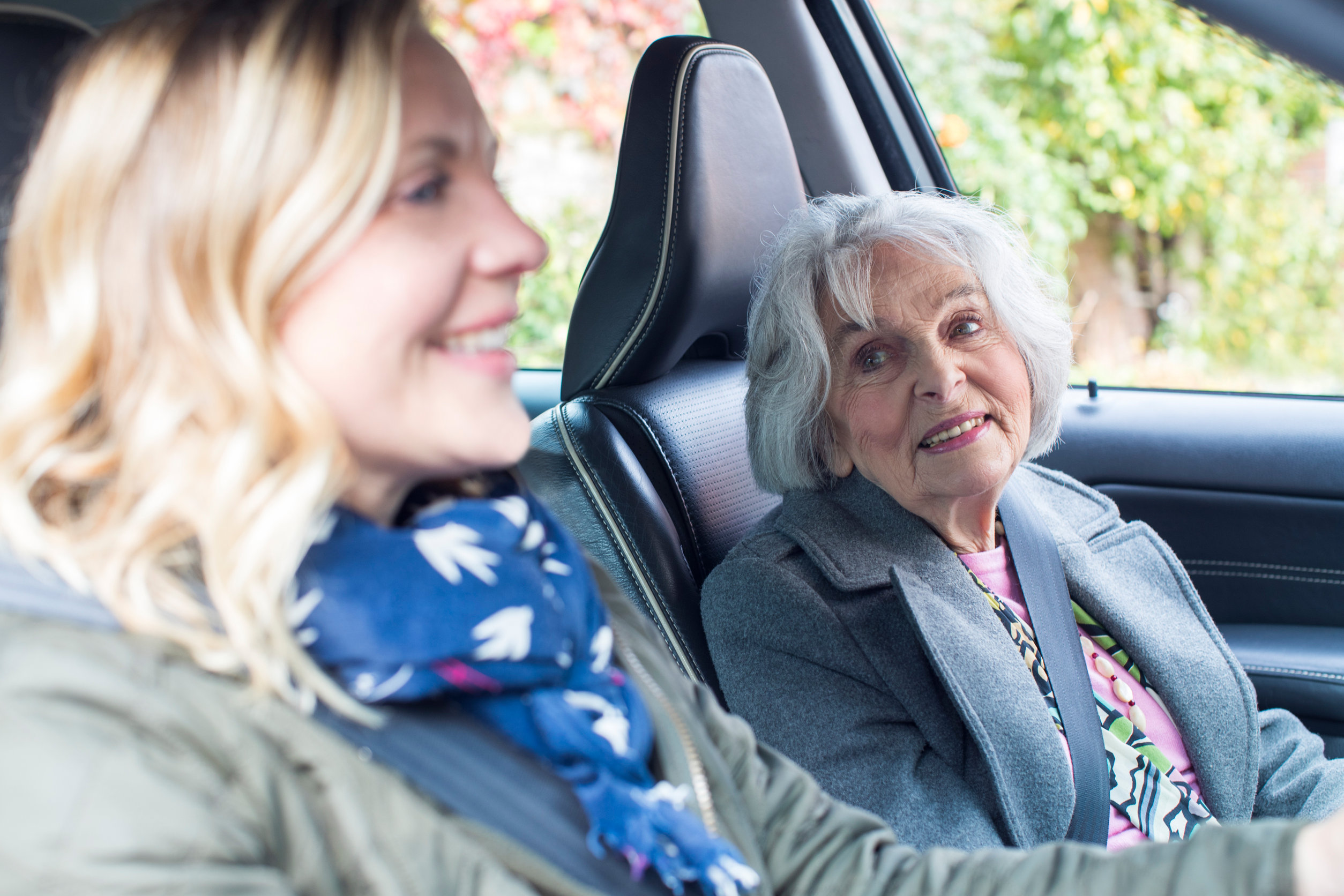
Some things that can alert you to this issue are if you have difficulties reading the dashboard instruments on your car or trouble reading road signs. If you have feelings of being disoriented while driving or notice that a car or pedestrian pops out of nowhere are other red flags that your driving may not be safe.
Each state in the U.S. has different vision requirements for driving. Most states require that vision be corrected to 20/40 in the better eye for obtaining an unrestricted driver's license.

Just because your driver's license has not expired, does not mean that it is still valid. To maintain a valid driver's license each person is obliged to report to the responsible authority any changes in his/her health, medical, and mental condition, including but not limited, to vision problems.
If you are driving with an invalid license, your insurance coverage may not be binding. When to stop driving is a decision that you can make yourself, but if your loved ones are bringing it up please listen to them and consider their concerns.
Alternatives to Driving
Unfortunately, public transportation in the United States is sorely lacking which makes it much more difficult to not drive.
In order to continue doing the activities you enjoy it will take some planning and initiative, but it will get you to the places you want to go and the people you want to see.
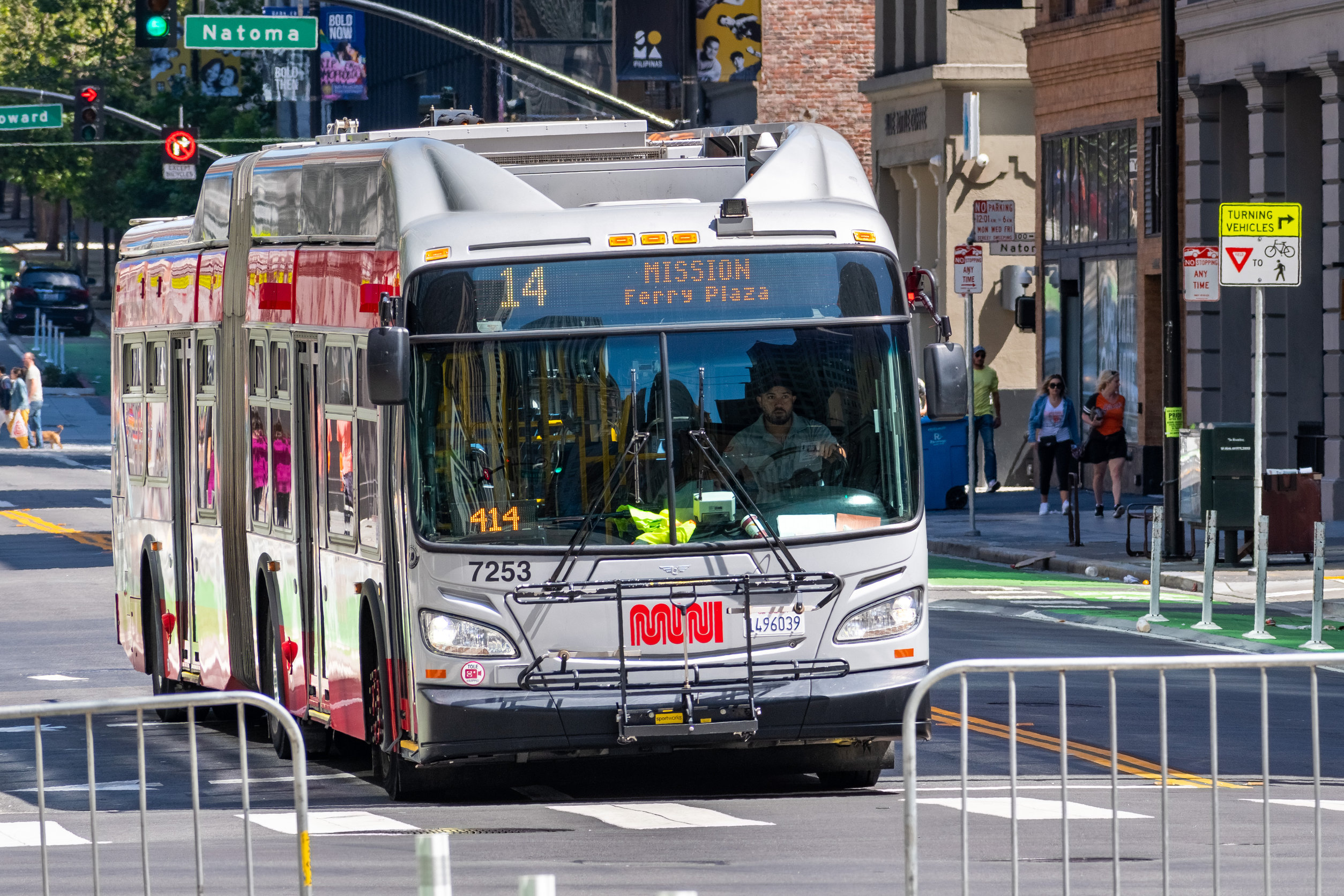
Consider these alternatives to driving:
√ rides with family and friends
√ taxis, Uber or Lyft
√ shuttle buses or vans
√ public buses, trains and subways
At Living Well With Low Vision website there is a category on the left side titled Transportation Database. It is in the process of being built so it is not complete, but it is a place to check for transportation in your area by city and state.
Transportation Services Directory
Senior Citizens Transportation
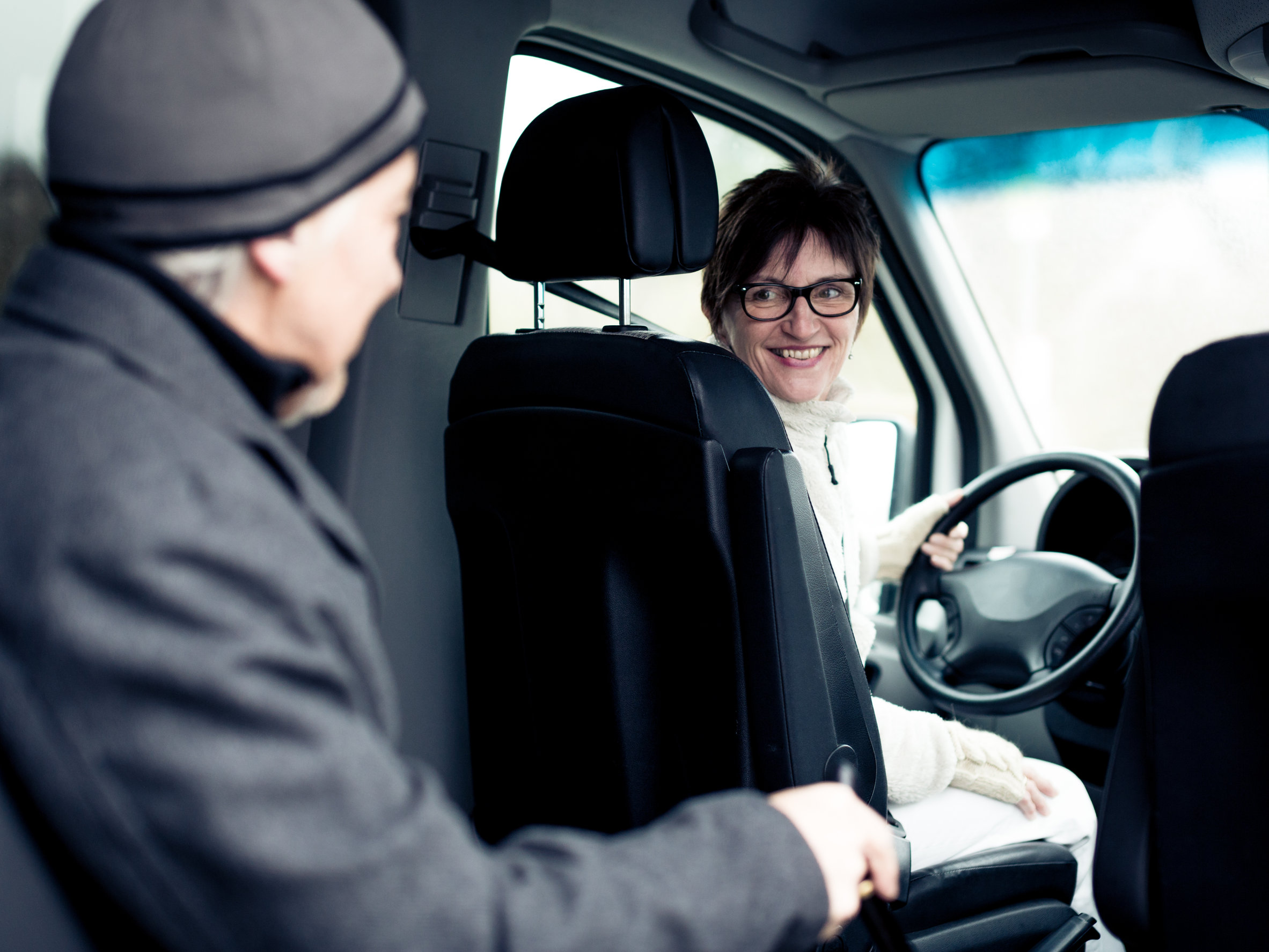
Senior centers, religious and other local service groups often offer transportation services for older adults in your community. Who can one call for help with transportation?
Call the ElderCare Locator at 1-800-677-1116 and ask for your local Office on Aging, or go to their website www.eldercare.gov.
Contact your regional transit authority, which can tell you which bus or train to take.
Easter Seals Project ACTION (Accessible Community Transportation In Our Nation) at 1-800-659-6428 or go to their website www.projectaction.org.
Go from Macular Degeneration and Driving Ability to Macular Degeneration Help
Go from Macular Degeneration and Driving Ability to WebRN Macular Degeneration Home
√ Prevention of Macular Degeneration?
√ Tips for Daily Living?
√ Food Suggestions for a Macular Degeneration Diet?
√ Ideas on Visual Aids to Maximize your Sight?
If you said "yes" to any of the above, sign up for the monthly Macular Degeneration News.


