Prevention of Cataracts
The prevention of cataracts is tied to age, lifestyle and nutrition just like it is for macular degeneration prevention.
What are Cataracts?
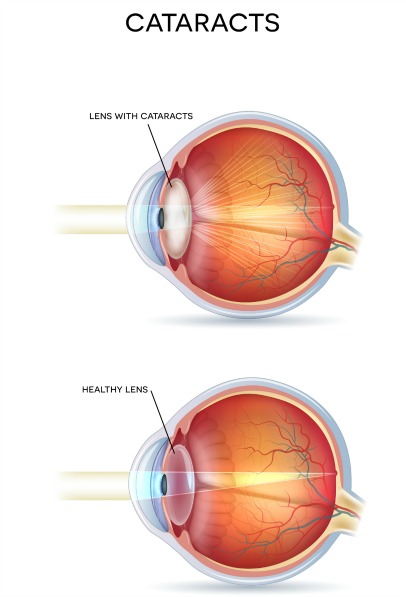
A cataract is when the lens of the eye becomes foggy. The lens is made up mostly of water and protein. There is no blood supply to the lens. Cataracts develop when the proteins are damaged and they become translucent or opaque.
The lens sits behind the iris. Light passes through this clear part of the eye and then focuses light or an image onto the retina in the back of the eye. Once it reaches the retina, light is changed into nerve signals that are sent to the brain.
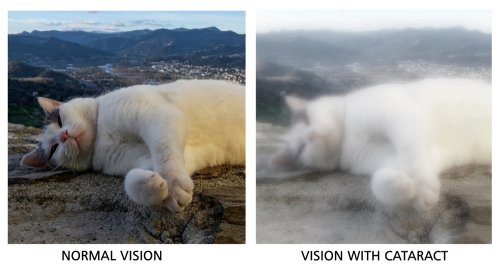
When the lens is clear the retina receives a sharp image. If the lens is cloudy from a cataract, the image is blurred.
The lens must be clear for the retina to receive a sharp image. If the lens is cloudy from a cataract, the image you see will be blurred. Most often cataracts will grow larger and cause more clouding of the lens. The lens is also responsible for adjusting the eye's focus so we can see things clearly whether they are up close or far away. The ability of the lens to focus diminishes as the lens hardens.
Symptoms of Cataracts
Eye cataracts often develop very slowly and may take years before vision is affected. When they begin to interfere with one's quality of life, that is when a discussion with your ophthalmologist is needed.
Symptoms of cataracts can be similar to some of the early symptoms of macular degeneration. At first when it is small, the cloudiness affects only a small part of the lens and you may experience no symptoms. As the cataract grows, your vision will gradually get worse. Your vision may get duller or blurrier.
Commonly, cataracts will affect both eyes, although one may progress faster than the other one.
Cataract symptoms include:
1. Blurred vision
2. Sensitivity to light - Sunlight, headlights and lamps may seem too bright.
3. Sensitivity to glare - A halo may appear around lights.
4. Colors seem faded
5. Poor night vision
6. Need more light for reading
7. Depth perception is diminished
8. Vision is tinted with a brownish shade
The lens slowly colors with age. At first, you may not notice it, but gradually the increased discoloration may make it more difficult to read and to identify colors.
Causes of Cataracts
Many people with age related macular degeneration also have developed cataracts. It's really not so surprising since both eye conditions are most frequently seen in the senior population.
As we age different factors cause the lens to become foggy, hard and dense. Cataract causes can be some of the same ones you will find for age related macular degeneration such as aging, smoking and free radical damage. The eye is subject to lots of oxidation and free radical damage just because of all the light that enters the eye.
Oxidation from UV Exposure
One thing both of these eye conditions have in common is oxidation. Oxidation is the result of excess free radicals bringing harm or damage to the cells.
Cataracts form as a result of oxidation and free radical damage to the lens. Free radicals can harm our cell walls and cell DNA. The lens absorbs UV light.

The eyes are exposed to more oxidation than most other parts of the body, because of it's exposure to ultraviolet and blue light.
Anti-oxidants neutralize free radicals. It is important to have a good ratio of free radicals to antioxidants so that the free radicals are disarmed.
Age
Eye cataracts become more common as we age. According to the National Eye Institute, "By age 80, more than half of all Americans either have a cataract or have had cataract surgery."
While the vast majority of cataracts are the result of just getting older, there are other reasons people can develop cataracts.
Injury or Trauma
An injury to the eye can lead to cataract development - but not usually right away.
Diabetes
Health conditions like diabetes and glaucoma can hasten the development of a cloudy lens as can the heavy use of steroids or cortisone.
Smoking
A research paper posted in JAMA (1992 Aug 26;268(8):994-8) called A Prospective Study of Cigarette Smoking and Risk of Cataract Surgery in Women concluded that "Smoking appears to increase the risk of cataract extraction." This is not surprising since smoking increases the amount of toxins a person is exposed to as well as increasing the amount of free radicals.
Poor Diet

By age 80 more than half of all Americans have cataracts. In fact the Framingham Eye Study states that if you live long enough you will most likely develop cataracts.
The reason for this is that chemical changes occur in the lens due mostly to UV radiation. This radiation is accumulative - so the longer you live the more UV light you absorb. UV radiation forms free radicals which is one of the major causes of cataracts.
The prevention of cataracts is closely tied to the role of antioxidants and free radicals. UV radiation from the sun causes chemical changes in the lens of the eye. The clouding of the lens is often caused by free radical damage from ultra-violet light.
Because the lens of the eye absorbs the light rays from the sun, oxidation results which then damages our lens. Beth Ley, Ph.D. reports on the Chesapeake Bay professional fishermen study done by Johns Hopkins hospital in her book Bilberry and Lutein.
"Those with cataracts had 20% more exposure to sunlight in every year of life."
To provide the best protection for your eyes consider Fitover or wrap around sunglasses. They provide protection from the sun from all angles, not just the front.Standard sunglasses can allow up to 40% more light to reach the eyes because they do not provide protection from the top, bottom and sides.
Cataract Prevention
Prevention of cataracts may not be possible, but it may be possible to delay the development of cataracts through a healthy lifestyle. Take these steps to help protect the lens of your eye:
1. Protect your eyes from ultraviolet light
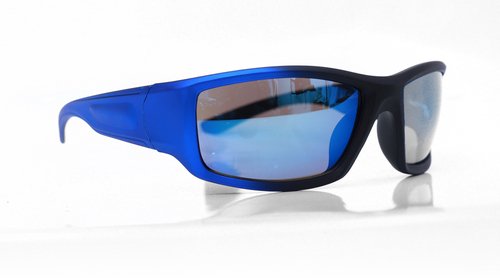
√ Wear wrap around 100% UV protected sunglasses and wide brim hats
√ Avoid the sun from 10:00 AM - 4:00 PM
√ Do not use tanning beds
You don't need to buy expensive sunglasses to get good protection.
2. Quit smoking.
Smoking causes free radicals to form and decreases the level of antioxidants in the blood. Now we have more free radicals than what can be disarmed by the circulating antioxidants. These free radicals through a cascading series of chemical reactions bring disease and aging to our bodies.

Many common eye diseases are associated with smoking. Normally we think of the lungs as being the most affected organ. The health of our bodies and our eyes - including the macula and the lens - depends on healthy circulation. Smoking promotes atherosclerosis or a hardening of blood vessels - including the fragile ocular (eye) capillaries. To learn more about the benefits of quitting smoking click here:
Benefits of Quitting Smoking
3. Eat antioxidant rich foods and
foods high in lutein

Antioxidants are nutrients that help prevent diseases like macular degeneration and cataracts by disarming the free radicals. Free radicals from as a result of normal body mechanisms. It is when the ratio of free radicals to antioxidants gets out of balance that diseases can develop. It is so important to include antioxidant rich foods in your diet.
4. Increase Your Intake of Vitamin C
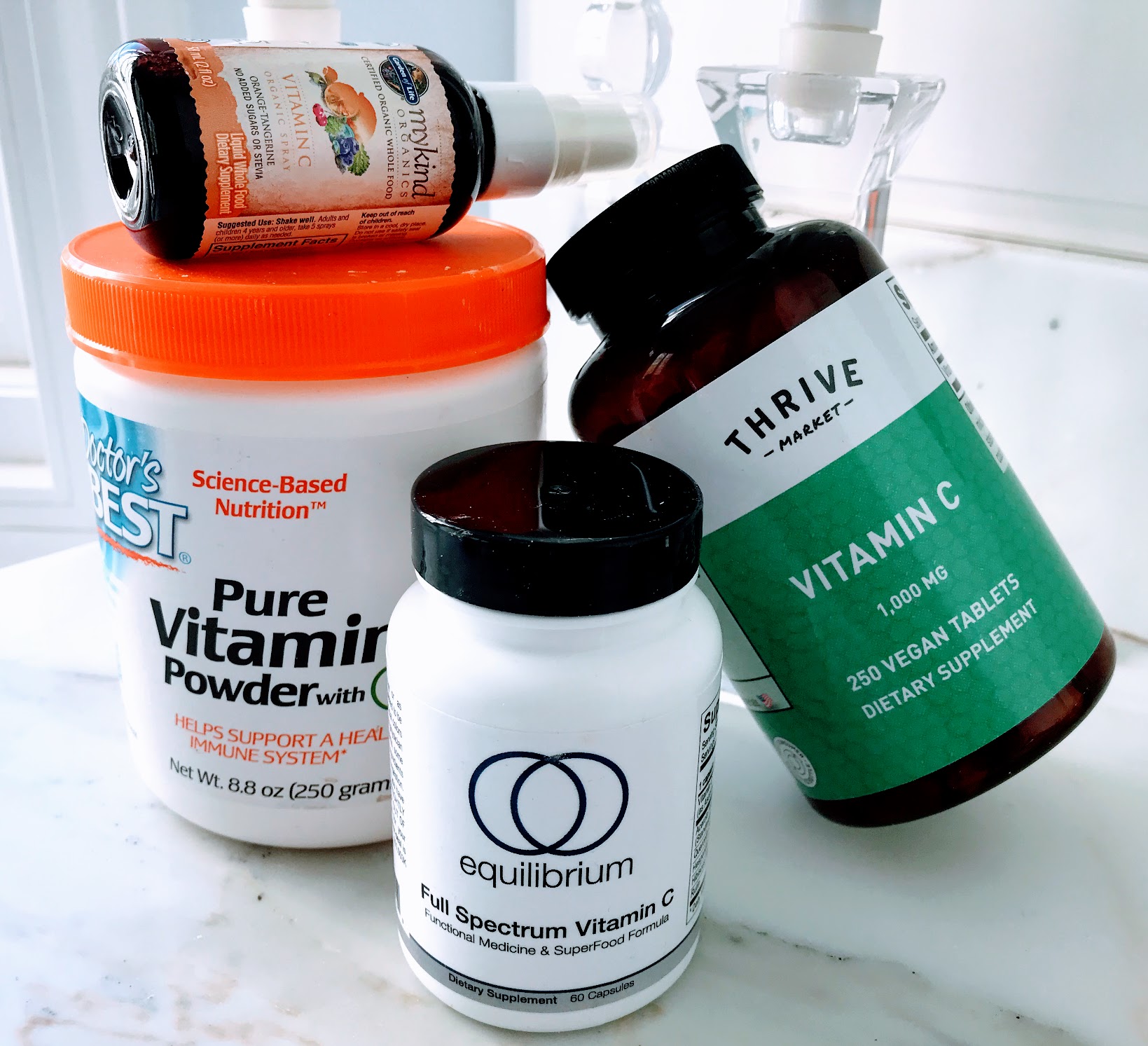
"The Nutrition and Vision Project found that higher intakes of vitamin C reduced the risk for cortical and nuclear cataracts. Results also showed that people who used Vitamin C and E supplement for more than 10 years decreased the progression of nuclear cataracts."
Nutrition and Cataracts by American Optometric Association
Role of Nutrition in Prevention of Cataracts
You will find several studies showing that cataract prevention along with the prevention of macular degeneration can be tied to diets high in antioxidants.
Eye health (and the health of the rest of your body) is linked to diet and nutrition. Without the needed nutrients our bodies cannot produce healthy cells, healthy tissue, or healthy organs.
Most of the important nutrients our bodies need cannot be produced by the body. They must come from food or quality nutritional supplements. Not only is it important to include nutrient rich foods in your diet, but you must also cut out unhealthy foods.
If this topic interests you one of the best books to read is SuperFoods Rx: Fourteen Foods That Will Change Your Life. It is written by an ophthalmologist who has a family history of macular degeneration.
Antioxidants help prevent diseases that are associated with free radical damage, like cataracts and macular degeneration. They work by binding with the free radicals and are thus able to reduce the destruction to cell walls and arteries. You can get your antioxidants by eating antioxidant rich foods from wild blueberries to dark, rich kale.
The Blue Mountains Eye Study involved 2,900 people aged 49 to 97 years living in an urban community near Sydney, Australia. Here are the details.
1. The testing involved food frequency questionnaires and lens photography.
2. Lens photographs were graded for presence and severity of cortical, nuclear, and posterior subcapsular cataracts
"RESULTS: Higher intakes of protein, vitamin A, niacin, thiamin, and riboflavin were associated with reduced prevalence of nuclear cataract."
Ophthalmology 2000 Mar;107(3):450-6.

Lutein benefits our retina and the lens of the eyes. This carotenoid is found in
1) the lens of your eyes and
2) the retina, especially the macula. Oxidation plays a role in the development of cataracts, or the clouding of the lens. Antioxidants are known to protect our cells from the damage that they cause.
Here is the conclusion of a prospective observational study that was reported on in January 2008 from a large cohort of female health professionals:
"higher dietary intakes of lutein/zeaxanthin and vitamin E from food and supplements were associated with significantly decreased risks of cataract."
Archives of Ophthalmology Vol. 126 No. 1, January 2008
Zeaxanthin with lutein are powerful antioxidants that protect our eyes from the damages of free radicals.
Dr. Michael Samuel, ophthalmologist and author of Macular Degeneration: A Complete Guide for Patients and Their Families

writes this in his book. "Nutritional changes - specifically, high levels of antioxidants like Vitamins C and E, and the carotenoids lutein and zeaxanthin have been found to reduce the risk of cataracts and to help slow their progression."
Dr. Michael Grossman, optometrist and acupuncturist, believes that "Research has shown that cataracts can be prevented as well as managed through specific lifestyle, diet and supplement choices."
Find out his recommendations for lifestyle, diet and eye vitamins for cataract prevention here:
Cataract Nutritional Recommendations
Cataracts and Macular Degeneration
According to Dr. Lylas Mogk, author of Macular Degeneration; The Complete Guide to Saving and Maximzing Your Sight , "With very advanced cataracts ... you may also have macular degeneration without knowing it, because your doctor can't see through the cataracts to detect the AMD."
If the blurry vision is from a cataract, your vision will be clearer once the cataract is removed. But if the blurred vision is from macular degeneration, the blurred vision will still be present after the cataract surgery.
The formation of cataracts and macular degeneration is the result of the oxidation process. Because these eye conditions are both age related, many older people will have both of these eye diseases.
Cataracts and macular degeneration? Both of these eye conditions are the result of aging and free radical damage to our eyes and share many of the same symptoms.
Cataract and Macular Degeneration
Treatment of Cataracts
Cataract removal surgery is the most common treatment, but cataract eye drops, lifestyle changes, nutrition and supplements may also help delay the development or progression of a clouded lens.
Treatment of cataracts depends on:
1. Where the cataract has developed
If it on the outside of the lens, you may not notice it, but if it is in the center of the lens, you will experience blurred vision and less vivid color perception.
2. The size of the cataract
A small cataract may not affect your vision at all while one that covers most of the lens will result in symptoms
3. How fast it grows
Some cataracts remain small while others can grow quickly and cover a large portion of the lens.
When your cataracts affect your vision in a way that interferes with your lifestyle it may be time to consider cataract surgery. A state of the art eye center will use only topical anesthesia and mild sedation.
When a person has cataract surgery the lens of the eye will be removed and then replaced with an artificial lens, called an intraocular lens or IOL.
Normally the lenses are clear, but some of the new IOLs block UV and blue light rays.
Go from Prevention of Cataracts to Eye Health Tips
Go from Prevention of Cataracts to WebRN Macular Degeneration Home
Would you like to be updated on:
√ The latest Macular Degeneration Clinical Trials?

√ Prevention of Macular Degeneration?
√ Tips for Daily Living?
√ Food Suggestions for a Macular Degeneration Diet?
√ Ideas on Visual Aids to Maximize your Sight?
If you said "yes" to any of the above, sign up for my monthly Macular Degeneration News.
√ Prevention of Macular Degeneration?
√ Tips for Daily Living?
√ Food Suggestions for a Macular Degeneration Diet?
√ Ideas on Visual Aids to Maximize your Sight?
If you said "yes" to any of the above, sign up for the monthly Macular Degeneration News.


